Map Out Your Electrification Route: EV Fleet Planning, Equipment, and Compliance
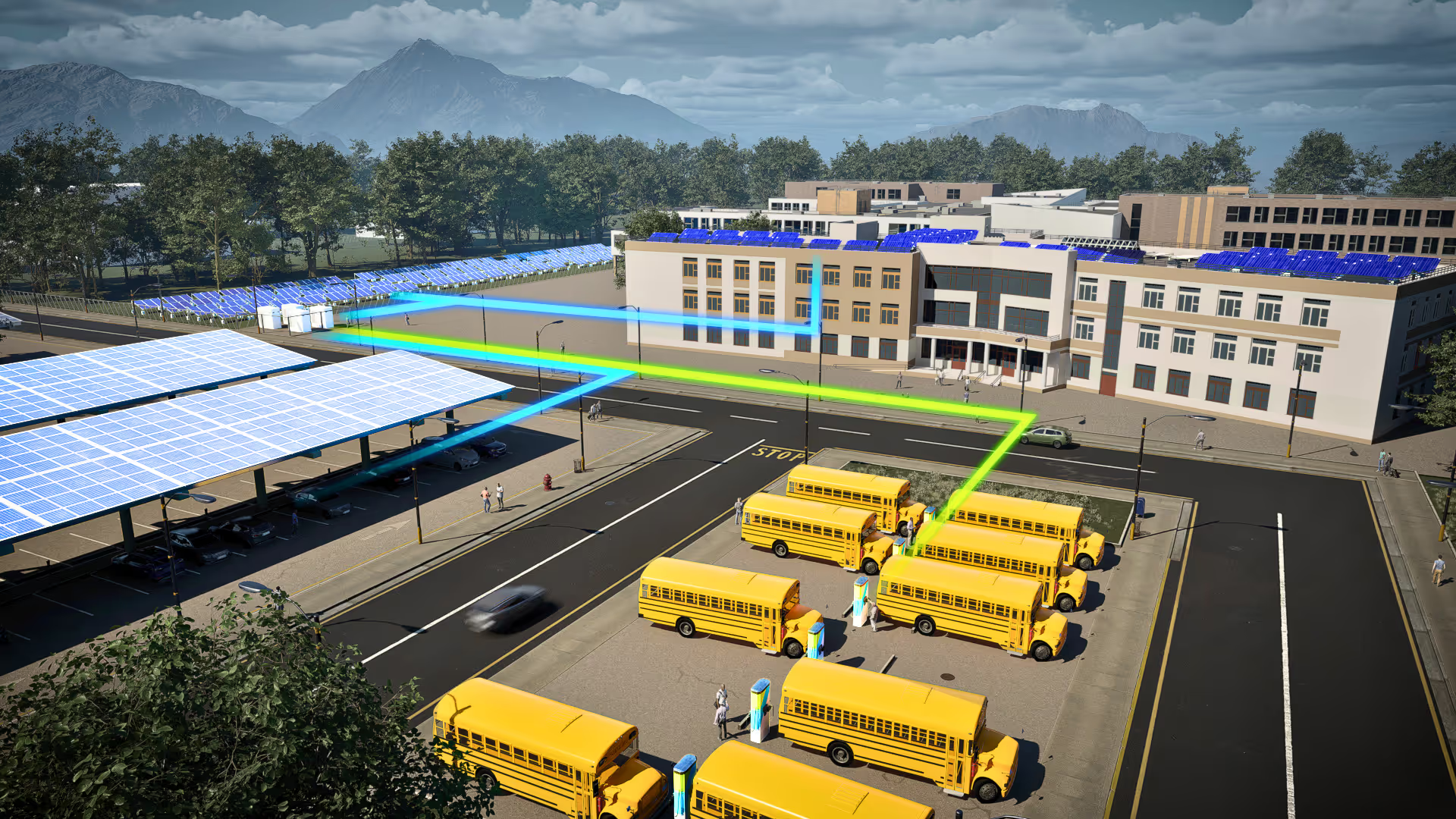

If you're past thinking about electrifying your fleet and ready to take action, it’s time to start paving the path toward your electrification goals. Transitioning to electric vehicles (EVs) can be an involved process: building an entire ecosystem that supports your operations, meets compliance standards, and maintains the same level of service on the new technology.
Electrifying a fleet isn’t a one-and-done project. It’s a dynamic, ongoing process that cycles through strategy, implementation, and long-term operation.
At ForeFront Power, we take on the complexity of fleet electrification to build an extensive roadmap covering all aspects of your EV Transition, from grant guidance to secure project funding and assessing sites for project feasibility to building a comprehensive infrastructure roadmap so you can better plan for charging infrastructure, energy supply, and budget allocation. Creating a phased approach allows you to install infrastructure in batches, consolidating costs and minimizing the time your depot is a construction site. A well-designed roadmap is the foundation for an electrification strategy that’s both actionable and adaptable.
In this blog, we’ll walk through the components of an electrification roadmap to give you an idea of what to consider whether you’re electrifying your first buses or scaling up your existing EV fleet.
Charging Up – Fleet Inventory and Analysis
As with kicking-off any strategic planning effort, it is important to get oriented, survey the current landscape, and understand where you are today before mapping a new direction. Start by taking stock of your current fleet: the number and age of vehicles, fuel economy, usage patterns, and which assets are nearing the end of their useful life and may soon be replaced. This helps you determine which vehicles are ideal to electrify in your first project phase by targeting the best-suited parts of your fleet first.
Next, assess the regulatory landscape. Many states have aggressive zero-emission fleet targets, some of which we highlighted in our previous blog post, and aligning your strategy to them is key to staying compliant and avoiding penalties. If you’re electrifying for regulatory compliance, your roadmap should define how many vehicles will be electrified—and by when.
The Interoperability Challenge – A Breakdown of EV Fleet Components
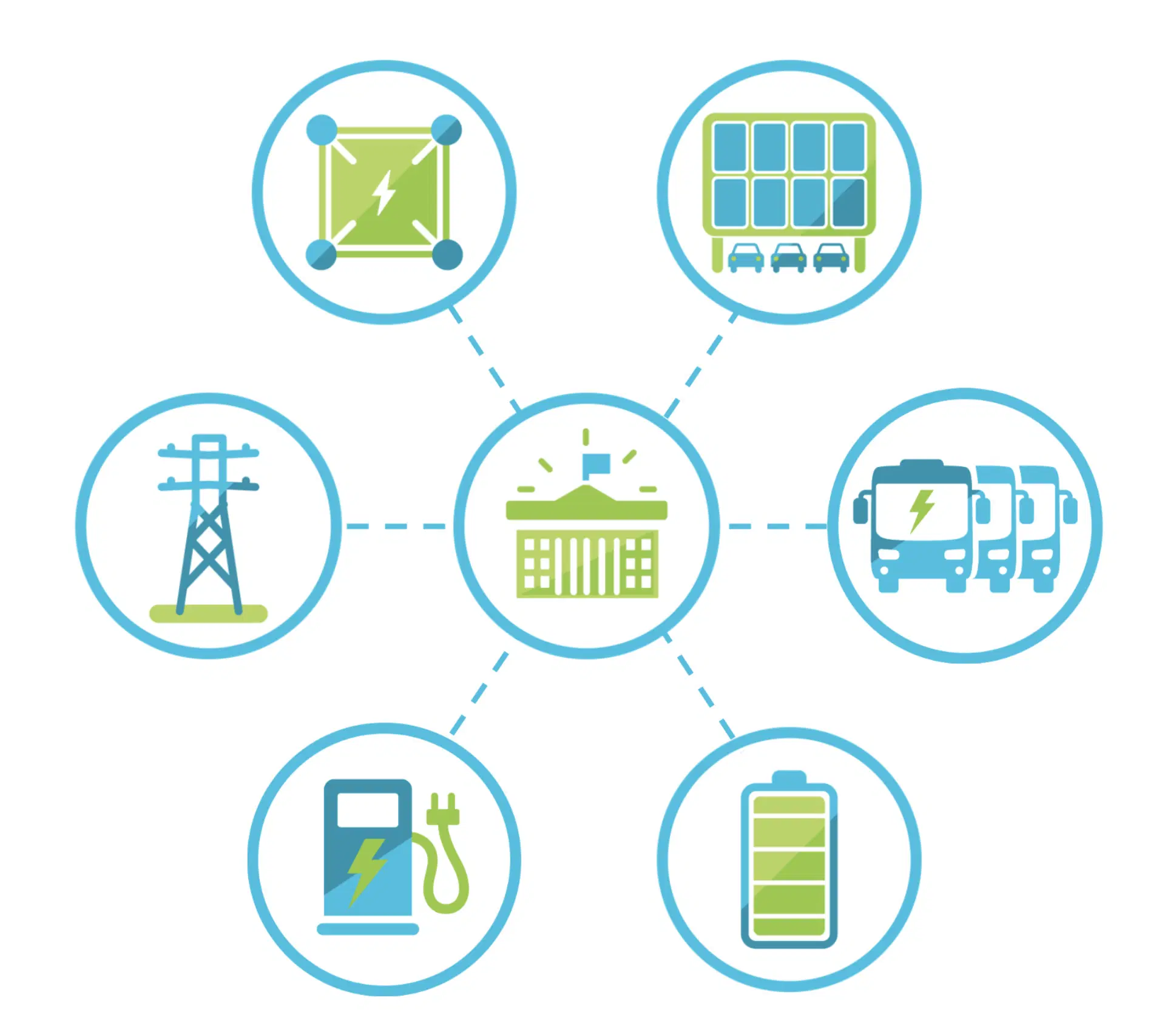
Electrification is more than just swapping out vehicles. It can be a paradigm shift for your depot and operations and involves a whole ecosystem of interconnected components—vehicles, chargers, management software, warranties, vehicle telematics, grid or on-site energy supply, and more. Ensuring these different components work together seamlessly is one of the biggest challenges fleets face in electrification.
Interoperability is a critical piece of the puzzle: vehicles, chargers, and other components need to be able to talk to each other, else there is risk of operational disruptions. This is why regularly reassessing compatibility, integrating flexible, open-standard tools, and testing equipment can keep your operations running smoothly.
Strategize: Selecting the Right Equipment
Crafting a well-structured electrification strategy is essential because it sets the stage for long-term success. With equipment as the backbone of said strategy, vehicles are often top of mind, but charging infrastructure is an oft-forgotten, critical part of your electrification transition. Choosing scalable equipment and future-ready platforms is crucial to allowing you to adapt as your fleet grows and your energy needs shift. As you strategize, consider:
Software is non-negotiable
- Load management reduces connectivity challenges with your utility and can optimize charging events to minimize fueling costs and high demand charges.
- Uptime monitoring flags problems early to minimize downtime.
- Smart charging software can delay or avoid costly infrastructure upgrades and allow more charging ports to be deployed.
Hardware choice matters
- Direct Current Fast Charging (DCFC) is ideal for quick turnarounds but comes at a higher cost and power demand.
- Level 2 chargers are cost-effective for vehicles with longer dwell times.
- Smart chargers enable data collection and grid communication, versus basic chargers for simpler needs.
Plan for the unpredictable
- Build in flexibility with contingency planning or redundancy (extra chargers) in anticipation of downtime due to maintenance, utility interconnection delays, peak demand pricing, and scenarios for weather or usage anomalies.
- Establish employee training and SOPs to minimize missed charging events.
- Consider prepaying for parts warranties to match your expected project lifespan.
Implement: Phased Rollout for Vehicles, Chargers, and Infrastructure

Rolling out your electrification plan in stages allows for testing, refinement, and learning as you go. This approach reduces risk, improves staff readiness, and provides insights to improve the next phase, preparing your EV infrastructure for long-term operational efficiency. As you implement, consider:
- Financing: Take advantage of planning, engineering design, and construction with no upfront cost. With no invoices until the system is operational, financed offerings can be a great option to spread out expenditure. Explore own vs. lease vs. third party managed financing models and tap into federal, state, and local incentives to offset costs.
- Integrated energy planning: Incorporate on-site solar or battery storage for resiliency, or demand response and vehicle-to-everything (V2X) options to enhance energy efficiency and resilience.
- Smart management tools: Utilize route simulators, load calculators, and charge schedulers to optimize energy use and operational planning.
Operate: Maintenance, Optimization, and Charge Management
Operations and maintenance are a continuous loop of optimization and adaptation. Once the vehicles are running and chargers are energized, your focus shifts to keeping everything running at peak performance. This includes:
- Remote monitoring for proactive maintenance and fast response
- Training and charge management to empower drivers and facility staff
- Energy management software to avoid demand spikes and optimize usage
If you’re looking for an O&M partner to take care of charger monitoring, maintenance, and repairs on-site, ForeFront Power’s expert asset management team takes the burden off your internal teams while maximizing your system’s performance and value.
As new vehicles, chargers, or technologies become available, you’ll need to revisit and reiterate upon your roadmap to ensure you’re heading in the right direction.
Putting the EV Puzzle Pieces Together
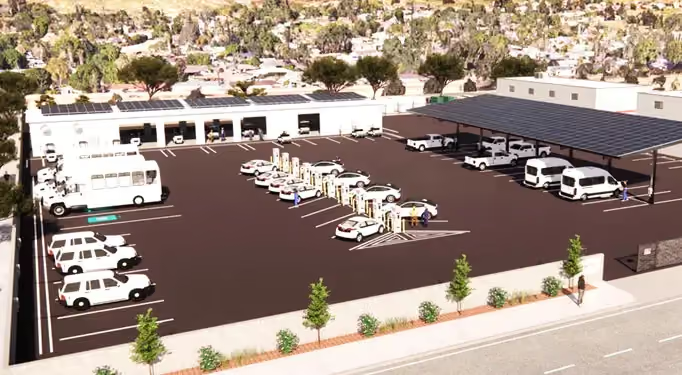
Fleet electrification is an ongoing journey of planning, building, operating, learning, and refining. As regulations evolve and new technologies emerge, you’ll circle back again with more experience, better tools, and a clearer vision. With so many moving parts, partnering with an experienced solutions provider like ForeFront Power can help you stay focused on your core operations and steer you toward a zero-emission, energy resilient future.
We offer our partners a holistic approach to fleet electrification that includes:
- Funding and incentives guidance to help you find and secure federal, state, and local grants
- Strategic roadmapping that aligns with evolving compliance and operational goals
- Turnkey services for renewable energy and EV infrastructure solutions
- Streamlined procurement to fast-track fleet electrification project timelines
- Equipment selection and installation tailored to your EV fleet needs.
- Future-focused planning to ensure scalability, affordability, and long-term performance
With the right roadmap and the right partner joining you at the wheel, you can transition your fleet with confidence and clarity.
Ready to chart your course to an all-electric fleet? Contact us to get started.



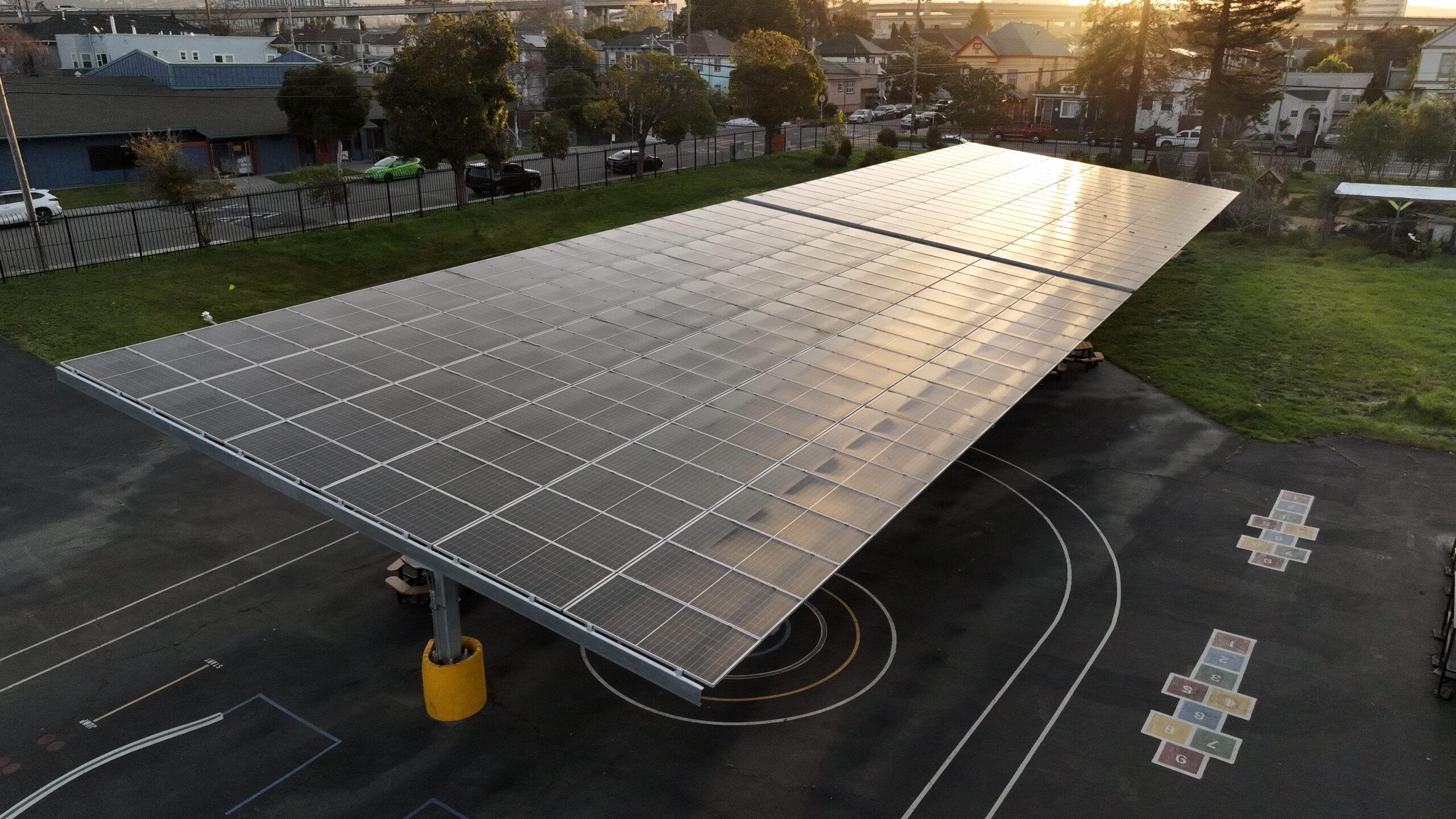
Deep Dive: How Asset Management Maximizes Solar Canopy Performance

Let's Get Started