
HOW WE HELP
What can a microgrid do for you?

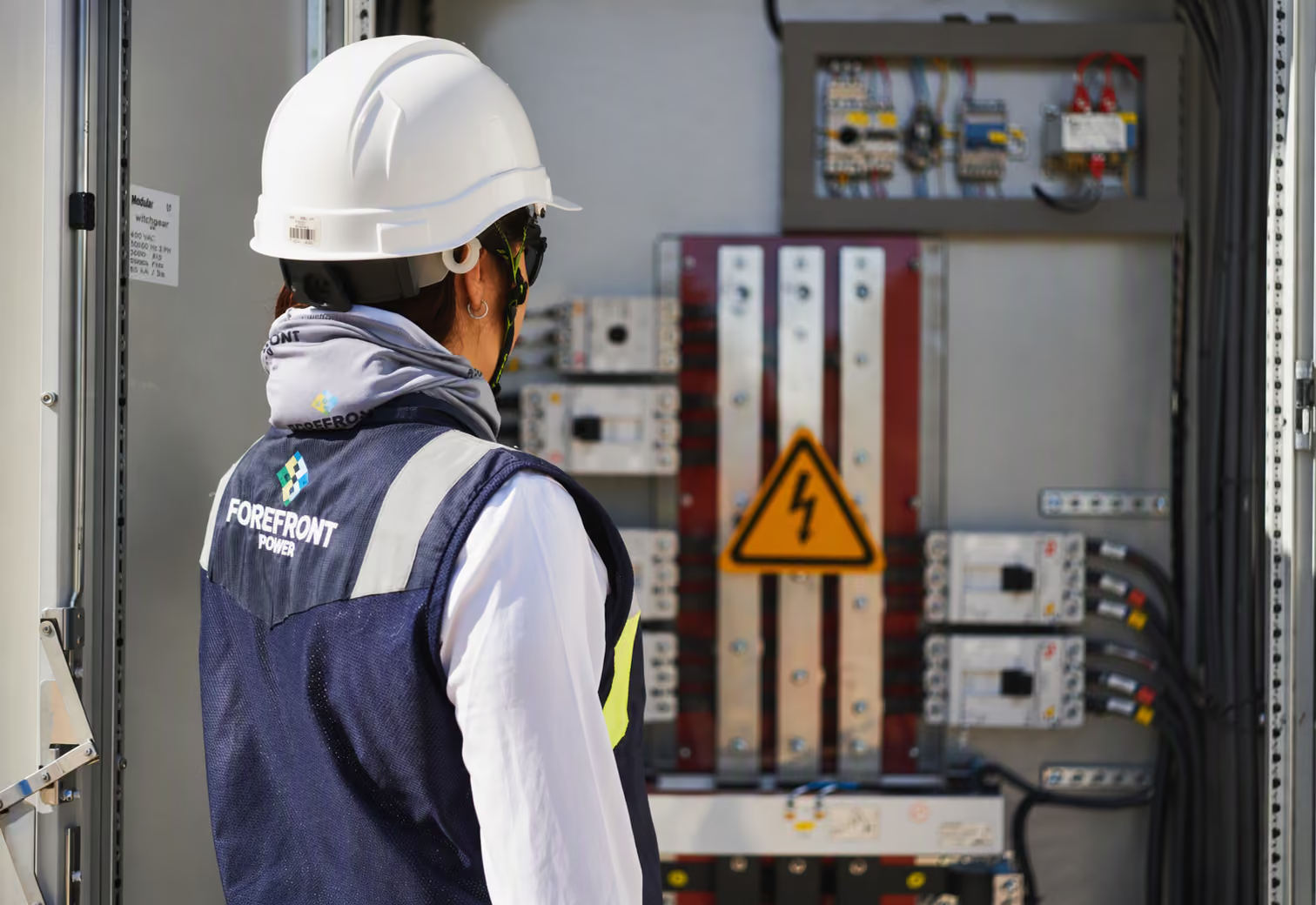
Secure critical infrastructure
Keep operations humming during power outages, natural disasters, and other unpredictable events.

Protect valuable work and inventory
Power outages can destroy valuable inventory, materials, or work in progress. Microgrids maintain continuity and can help your bottom line.

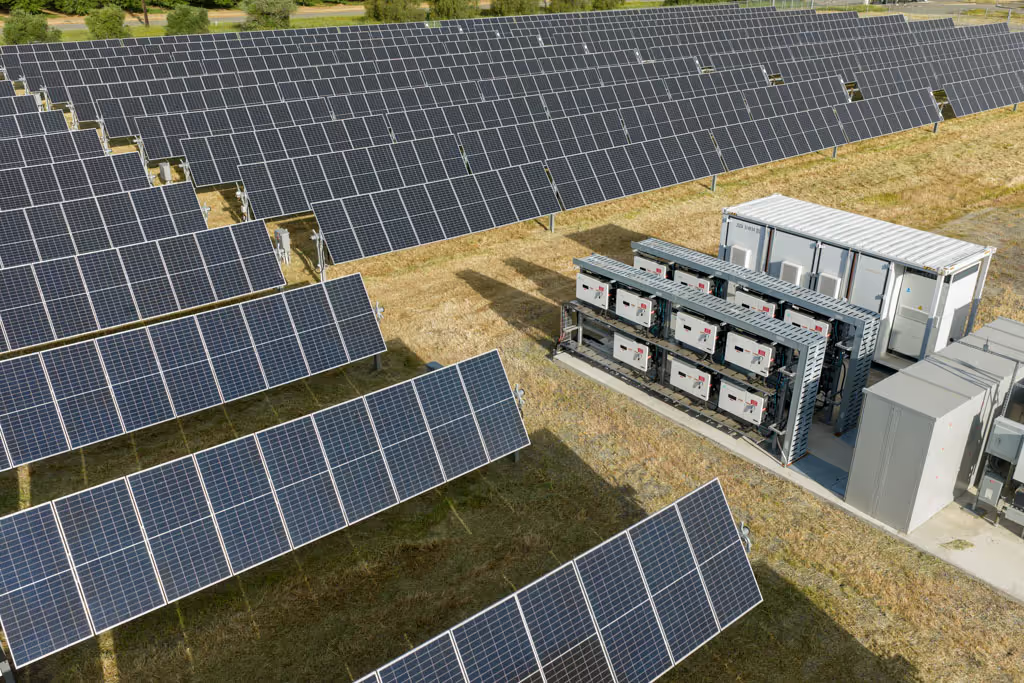
Integrate renewable energy, lower emissions, reduce costs
Replace or reduce reliance on harmful diesel backup generators and support your sustainability goals by efficiently integrating solar and energy storage into your on-site microgrid strategy. Intelligent system design helps avoid peak rates.
TYPES OF MICROGRIDS
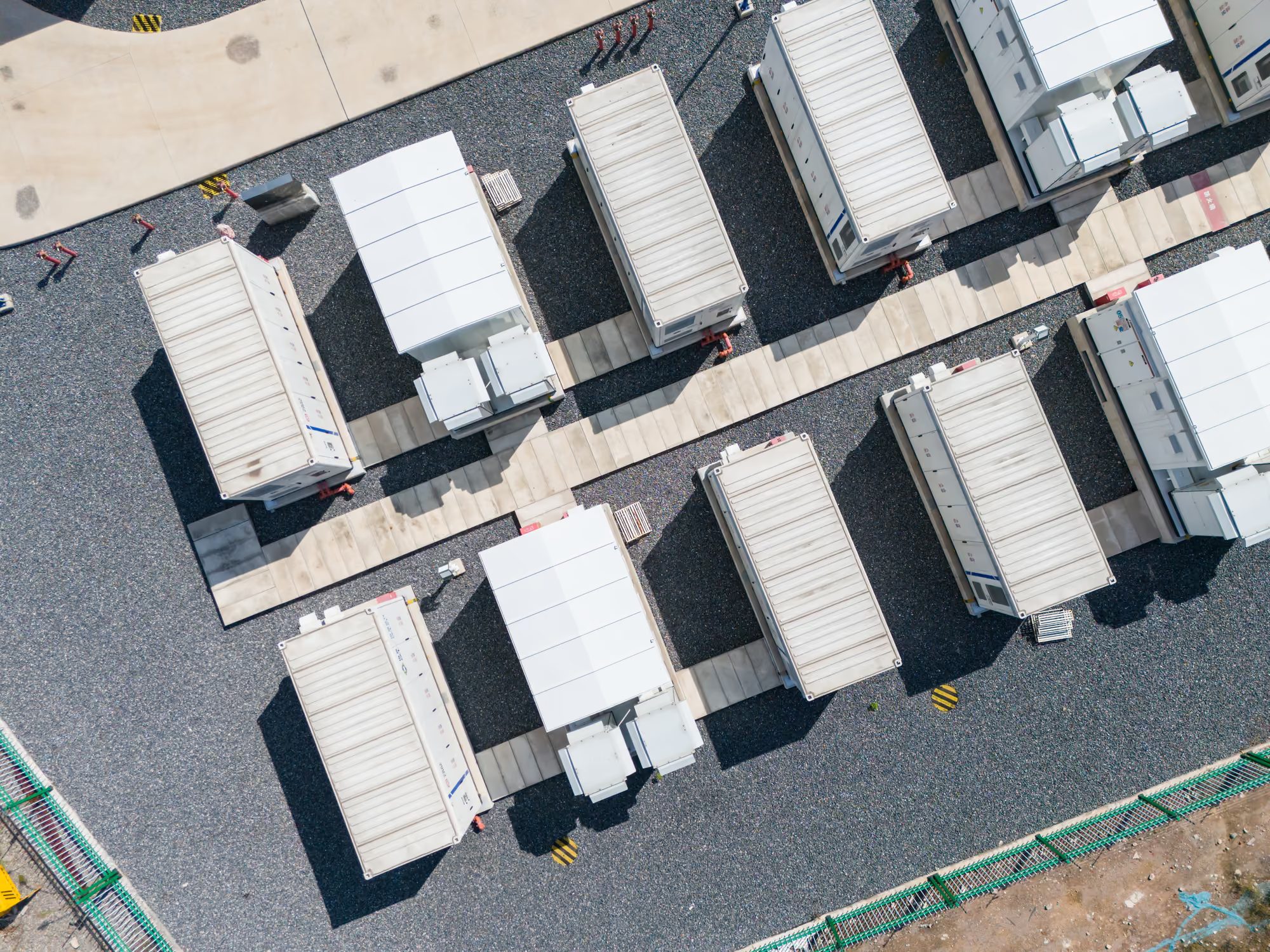
Choosing the right microgrid strategy
There are many ways to protect against grid interruptions. We’ll guide you to the configuration that’s right for your facility’s needs.
Partial Coverage
For sites that only need backup for critical loads, partial‑service microgrids isolate key operations and keep them running during outages.

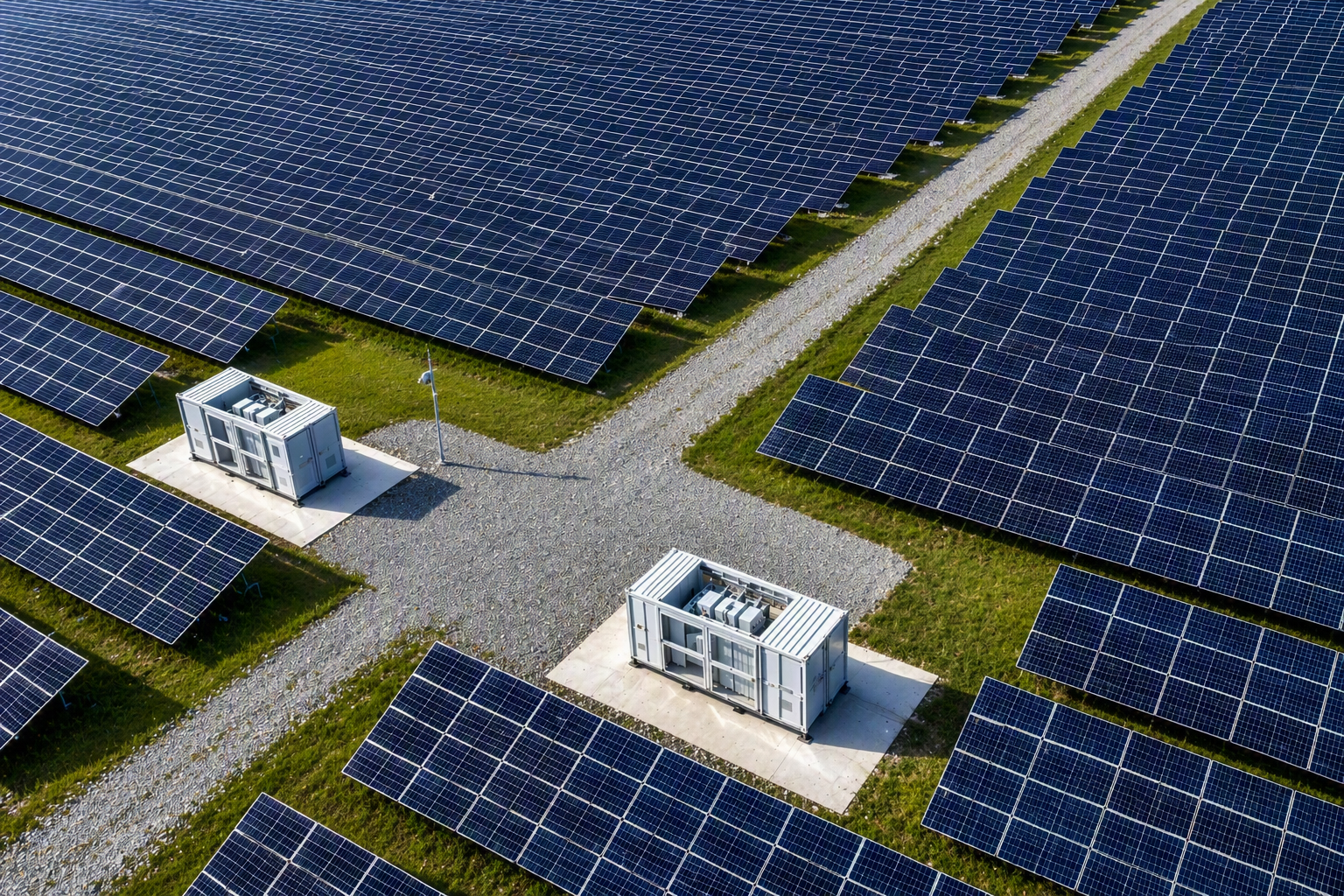
Partial Coverage
For sites that only need backup for critical loads, partial‑service microgrids isolate key operations and keep them running during outages.
Full-Service
When uninterrupted power is required across an entire facility, full‑service microgrids support all loads during outages.
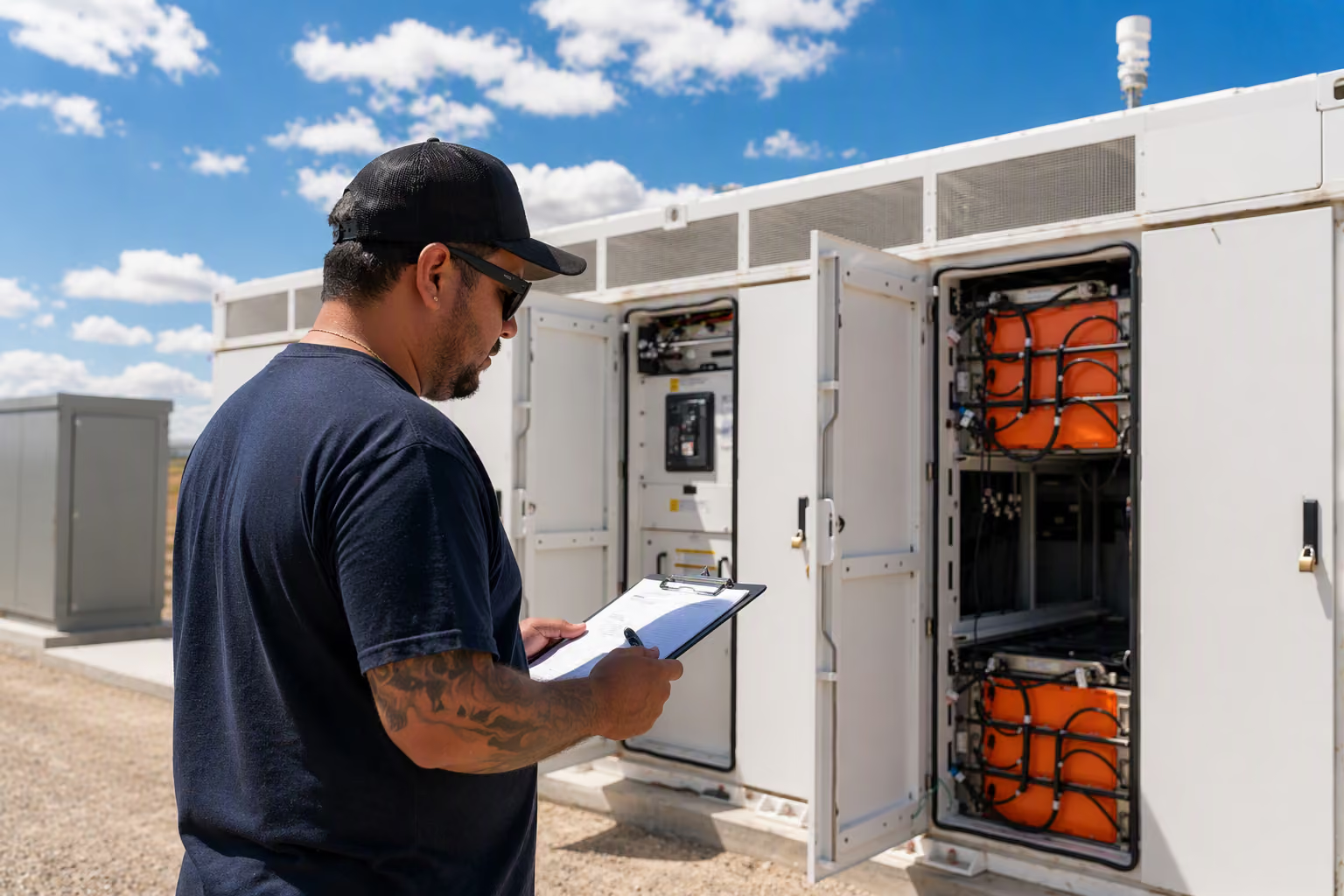
Full-Service
When uninterrupted power is required across an entire facility, full‑service microgrids support all loads during outages.
Off-Grid
For remote or high-resiliency needs, off‑grid microgrids operate without a utility connection, providing reliable, cost‑effective power, and energy independence.
Off-Grid
For remote or high-resiliency needs, off‑grid microgrids operate without a utility connection, providing reliable, cost‑effective power, and energy independence.
Back-Up Power
For a simple, affordable way to stay powered during outages, backup‑only systems provide outage protection only when the grid goes down. Day‑to‑day operations continue to rely on the grid.
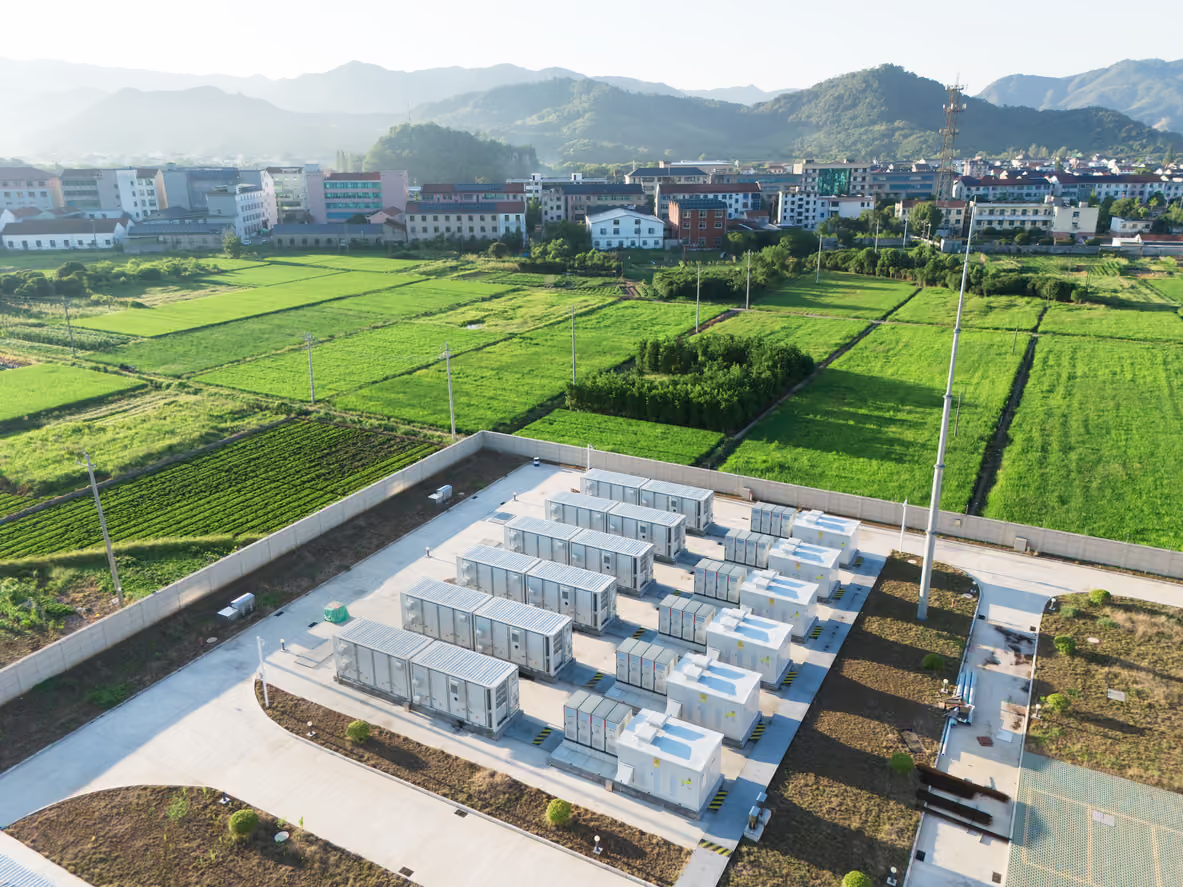
Back-Up Power
For a simple, affordable way to stay powered during outages, backup‑only systems provide outage protection only when the grid goes down. Day‑to‑day operations continue to rely on the grid.
Why ForeFront?
The ForeFront Difference in the Microgrid Market
We Don’t Sell Hardware — We Find the Right Match.
We’re not tied to any technology, and that’s our strength. We’re not here to sell you a product—we’re here to deliver the right solution. Our independence lets us choose the best technologies for your needs, giving you unbiased guidance and a system built around your goals.
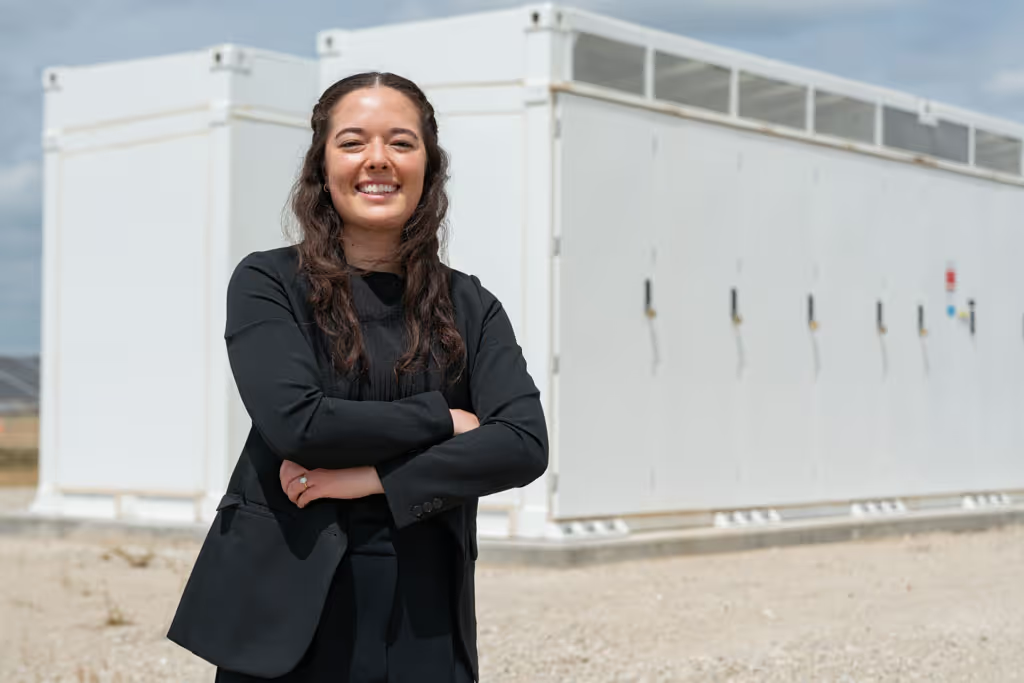
We Don’t Sell Hardware — We Find the Right Match.
We’re not tied to any technology, and that’s our strength. We’re not here to sell you a product—we’re here to deliver the right solution. Our independence lets us choose the best technologies for your needs, giving you unbiased guidance and a system built around your goals.
Engineering that Outperforms.
We design and right‑size microgrids around your real energy demands. With veteran designers and project managers who’ve delivered systems end‑to‑end, we guide every step from assessment through long‑term operations.
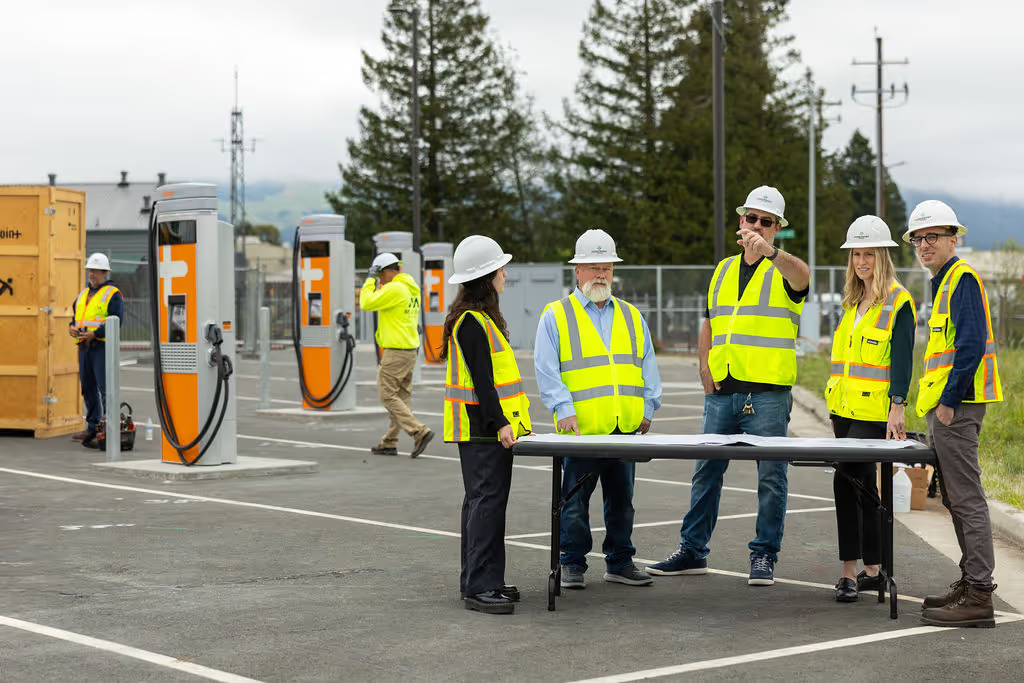
Engineering that Outperforms.
We design and right‑size microgrids around your real energy demands. With veteran designers and project managers who’ve delivered systems end‑to‑end, we guide every step from assessment through long‑term operations.
Direct Financing You Can Rely On.
We offer some of the most comprehensive financing options in the market so you can choose what works best for your business. Backed by one of the strongest balance sheets in the industry, we provide the financial stability to see your project through in an uncertain world—giving you confidence it will deliver the savings you expect.
Direct Financing You Can Rely On.
We offer some of the most comprehensive financing options in the market so you can choose what works best for your business. Backed by one of the strongest balance sheets in the industry, we provide the financial stability to see your project through in an uncertain world—giving you confidence it will deliver the savings you expect.
Built to the highest standard.
We build your project with only best-in-class, proven products, backed by long-term warranties that we maintain. Our engineering-driven experience reduces operational headaches, supports strong financial performance, and avoids costly rework down the line. You get a system built to last, perform, and deliver value well beyond commissioning.
Built to the highest standard.
We build your project with only best-in-class, proven products, backed by long-term warranties that we maintain. Our engineering-driven experience reduces operational headaches, supports strong financial performance, and avoids costly rework down the line. You get a system built to last, perform, and deliver value well beyond commissioning.
Procurement Options
How to Buy
ForeFront offers many ways to finance battery storage projects, from cash purchase to power purchase agreements (PPAs or ESAs) and more.
FAQ
Questions? We’ve got answers.
Will a battery alone provide adequate backup, or do I need a microgrid?
A battery can deliver meaningful savings through demand charge reduction and time-of-use optimization, but it typically requires special configuration to provide backup power or operate independently from the grid. Often, it is not economical to power an entire load with batteries. A microgrid adds a layer of resilience, enabling your facility to operate cost-effectively during outages. The right solution depends on your facility’s reliability needs.
Can a microgrid help reduce my energy costs and deliver financial benefits?
Yes, microgrids can reduce energy costs through demand charge management and time-of-use optimization. However, total savings depend on system design, energy usage, and operational goals. Beyond utility bill reductions, microgrids also help avoid costly downtime, protect revenue, and prevent inventory loss during outages.
What additional value does a microgrid provide during grid outages?
A microgrid keeps your operations running when the grid goes down. This resilience helps maintain productivity, avoid revenue disruption, and protect sensitive processes or inventory. For many organizations, this operational continuity is as valuable—or more valuable—than energy cost savings.
If I install a battery now, can it be upgraded to a microgrid later?
Potentially yes—but planning ahead is critical. Not all battery systems are designed to support backup or microgrid functionality. If a microgrid is a future possibility, it’s important to consider it up front so the system can be designed and installed to preserve that option.
Do I need a microgrid controller to enable backup and coordinate system operations?
Yes. A microgrid controller is essential if you want your system to operate during grid outages. It coordinates generation, storage, and loads in real time to maintain stability. Both full-service and partial-service microgrids rely on a controller, and proper system design typically begins with detailed engineering analysis.
Projects & Services
See other products and services



CONTACT US
Let's Get Started